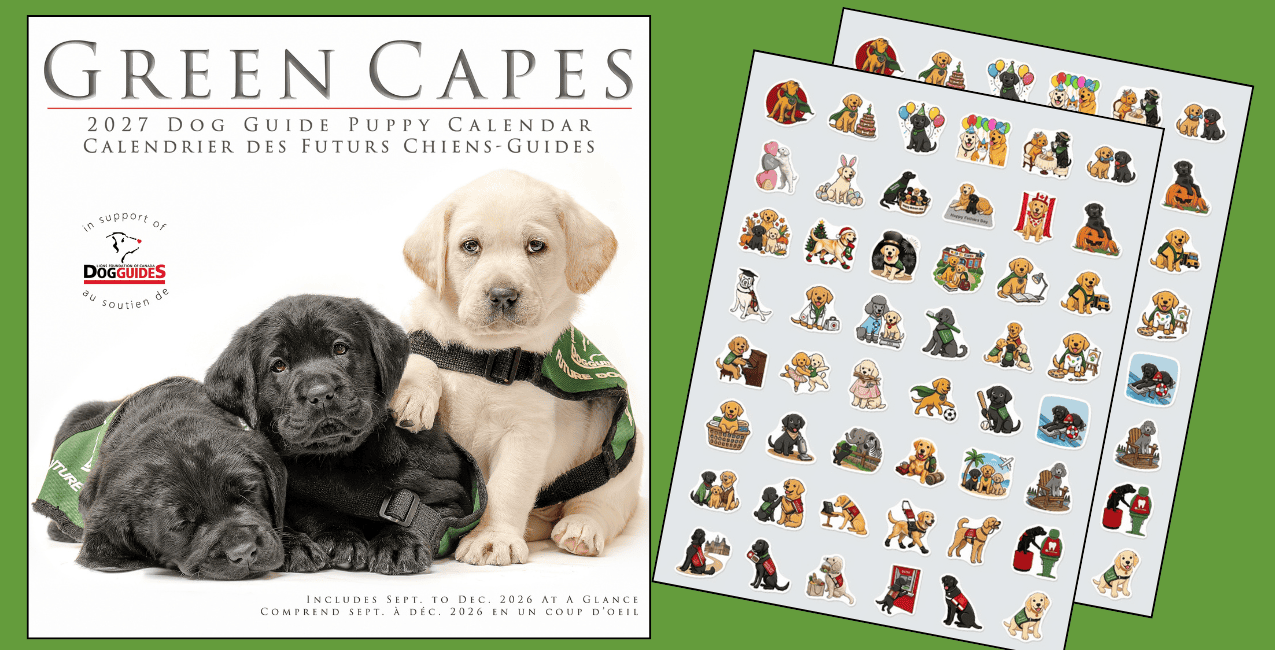
Physical calendars and stickers can be valuable tools for young children because they make time, routines and upcoming events visible and hands-on. They help families talk about what is happening, while giving children opportunities to practise early learning skills through everyday activities.
1. Children begin to understand time
Young children find abstract concepts such as tomorrow, next week and next month difficult to understand. A physical calendar gives them something concrete to look at. Parents can show them where today is, what comes next and how many days remain until a special event.
2. Routines become more predictable
Seeing a birthday, school day, family visit or other activity on the calendar helps children know what to expect. Predictability can make transitions easier and help children feel more secure.
3. Early learning happens naturally
A calendar creates opportunities to practise counting, number recognition, sequencing, days of the week, patterns and early mathematical thinking. Parents can introduce these concepts through conversation rather than formal lessons.
4. Children participate in family life
When children help mark an upcoming event or check what is happening next, they become active participants in family planning. They can learn to anticipate events, remember activities and take small steps toward independence.
Why stickers add value
Hands-on learning
Choosing and placing stickers develops fine motor control, hand-eye coordination and the ability to follow simple instructions. For younger children, peeling and positioning stickers is also a useful activity for practising finger control.
Making meaning visible
A sticker can represent a birthday, an activity, a family visit or something a child is looking forward to. Children begin to connect a picture with an event and its place in time.
Conversation and connection
Choosing stickers together gives parents and children a reason to talk about their plans, feelings and interests. It can become a small, enjoyable family ritual that supports language development and shared attention.
How families can use them together
A few minutes with a calendar can turn an ordinary household task into a learning opportunity.
- In the morning: Find today's date and talk about what is happening.
- When planning ahead: Add a sticker to mark an upcoming event and discuss how long it is until then.
- At the end of the day: Look back at what happened and talk about what comes next.
- As children grow: Encourage them to find dates, count days, notice patterns and take more responsibility for tracking activities.
The goal isn't to teach a child to read a calendar independently at an early age. It's to make time and family plans easier to understand through repetition, pictures, conversation and play.
The bigger benefit
A physical calendar stays visible in the home. Unlike a calendar on a parent's phone, it gives children something they can see, touch, revisit and use with an adult. Stickers make that experience more engaging and give children a simple way to participate.
For young children, the combination supports early numeracy, language development, fine motor skills, routine, anticipation and family connection.
The important distinction is that the calendar and stickers are tools, not teachers on their own. The learning comes from how families use them together.